


Cleaner, smarter bulk loading: turning the final transfer point into a competitive advantage
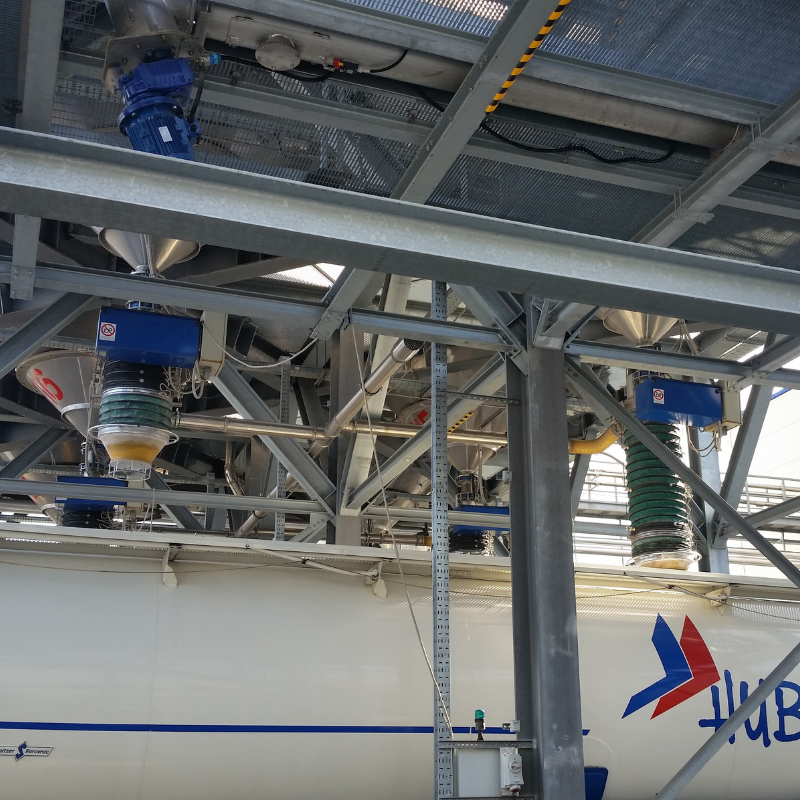
Bulk loading is the final critical stage between production or storage and onward transport. When it works well, trucks, tankers, rail wagons and vessels are filled efficiently, product losses are limited and operators are protected from dust. When it does not, the consequences can include delays, waste, increased maintenance, unsafe working conditions and environmental complaints.
For terminal operators and bulk material producers, loading equipment is an integral part of productivity, safety and environmental performance. WAMGROUP addresses these requirements with equipment for loading, conveying, feeding, flow control and dust filtration.
CONTROLLING DUST AT ITS SOURCE
Dust is one of the defining challenges in dry bulk loading. As material enters a tanker, open truck, rail wagon, vessel or stockpile, displaced air can carry fine particles beyond the loading point. This may lead to product loss, contamination of working areas and increased cleaning requirements.
WAMGROUP’s approach centres on telescopic loading spouts that maintain a controlled path between the plant outlet and the loading point. The portfolio includes BELLOJET loading spouts for transferring dry, dusty bulk solids into tanker vehicles, together with loading bellows for open vehicles and stockpiles.
Before loading begins, the spout extends towards the receiving surface and retracts as the material level rises. Keeping the outlet close to the product reduces the free-fall distance and helps contain dust near its source. Depending on the application, the system can be connected to a centralized dust-collection plant or equipped with dedicated filtration units.
By combining controlled product flow with effective dust extraction, operators can better balance throughput require ments with workplace cleanliness, safe access and environmental responsibilities.
SELECTING EQUIPMENT FOR THE APPLICATION
There is no universal solution for every dry bulk material. Equipment selection depends on particle size, bulk density, flowability, abrasiveness, temperature, moisture sensitivity and dust behaviour. The loading destination is equally important.
WAMGROUP loading equipment serves industries including cement, minerals, chemicals, animal feed, food processing, agriculture and environmental technology. Typical materials include cement, fly ash, lime, gypsum, fertilizers and grain, subject to application-specific assessment.
Each loading scenario presents different engineering requirements. Enclosed tankers require a connection capable of managing displaced air while maintaining a contained transfer path. Open trucks and rail wagons require a discharge point that follows the rising material level while limiting uncontrolled free fall. Stockpile loading demands an outlet capable of adapting to the growing pile. Vessel loading introduces additional considerations, including longer outreach, variable loading heights, weather exposure and integration with larger conveying systems.
The loading device should therefore be viewed as part of the overall material-handling process. Conveyors and feeders deliver material, valves regulate flow, filters manage dust-laden air and level indicators support safe, repeatable loading sequences.
A co-ordinated equipment package can simplify interfaces between components, reduce integration challenges and support more predictable system performance. This system-level approach is a key WAMGROUP strength: loading, conveying, filtration and flow-control technologies can be evaluated together rather than as isolated purchases. Such an integrated approach helps operators address dust control, equipment compatibility and maintenance access early in the project, reducing avoidable compromises during commissioning and operation.

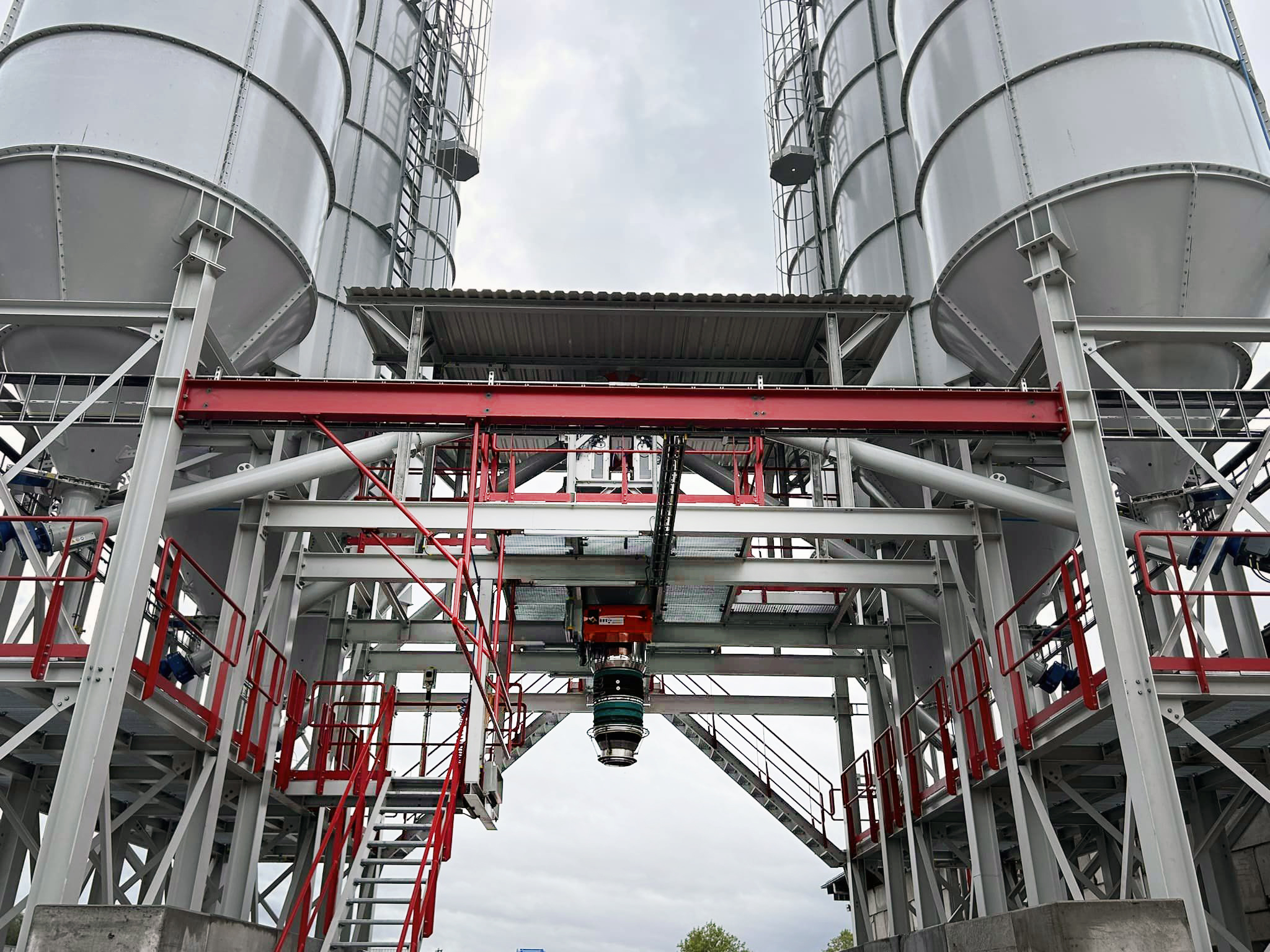
AUTOMATION FOR SAFER, MORE CONSISTENT OPERATION
Modern bulk loading combines mechanical performance with process control. Sensors can confirm spout position, monitor material levels and signal when the loading cycle should stop.
Automated raising and lowering functions can reduce manual intervention close to the material stream. Level indicators help prevent overfilling, while monitoring devices can identify abnormal operating conditions. Integration with the plant control system also gives operators greater visibility of the loading sequence and its relationship with upstream processes.
Digital connectivity can further support fault identification and maintenance planning where suitable drives, sensors and control systems are installed.
The objective is not simply to collect data, but to use relevant information to reduce diagnostic time, minimize interruptions and improve equipment availability.
Maintainability remains equally important. Loading equipment operates in demanding environments characterized by dust, abrasion, repeated movement and exposure to outdoor conditions. Accessible components, appropriate material selection and planned inspection programmes remain fundamental to long-term reliability.
APPLICATION EXPERTISE WITH INTERNATIONAL SUPPORT
Founded in Italy in 1968, WAMGROUP has developed from a manufacturer of cement screw conveyors into an international supplier of bulk solids handling and processing equipment. Its product portfolio covers conveying, feeding, mixing, discharging, flow control, solids-liquid separation, dust filtration and loading technologies.
An international manufacturing and commercial network is particularly relevant because loading systems often need to be adapted to local plant layouts, operating practices and regulatory requirements. Technical support, spare-parts availability and lifecycle product knowledge can influence procurement decisions just as much as the initial purchase price.
The next generation of loading systems will combine proven mechanical reliability with improved containment, intelligent controls and increasingly useful operating data.
The objective, however, remains unchanged: to transfer the required quantity of material into the correct destination safely, cleanly and with minimal interruption.


